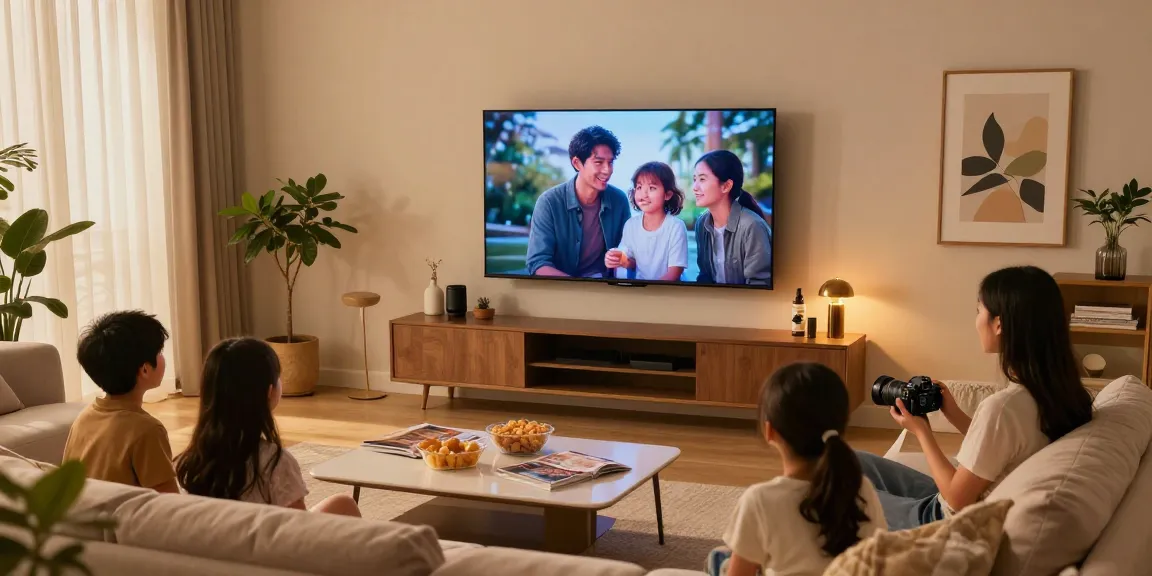
Understanding Mini LED TV Technology
In the evolving landscape of television technology, mini LED TVs have emerged as a significant advancement, promising to enhance the viewing experience through improved brightness and picture quality. These innovative displays represent a step forward from traditional LCD TVs, employing a greater number of smaller LEDs in their backlighting systems. This article will delve into the intricacies of mini LED technology, exploring its advantages, current trends, and performance metrics that define the best models available in 2026.
What is Mini LED Technology?
Mini LED technology builds on the existing LCD architecture by using smaller LED elements for backlighting. These miniaturized LEDs allow for more precise control over brightness and contrast, leading to deeper blacks and vibrant colors. Unlike standard LED backlights that typically utilize a limited number of larger LEDs, mini LEDs can number in the thousands, spread out across the screen's surface. This change not only enhances the overall performance of the display but also contributes to a slimmer design, proving beneficial for various home entertainment setups.
Advantages of Mini LED TVs Over Traditional Displays
- Improved Picture Quality: The density of mini LEDs allows for superior contrast and color reproduction, resulting in a more dynamic range of images.
- Higher Brightness Levels: Mini LED TVs can achieve higher peak brightness, making them ideal for viewing in well-lit rooms.
- Enhanced Local Dimming: The extensive control of individual tiny LEDs leads to more effective local dimming, reducing blooming effects around bright objects on dark backgrounds.
- Thinner Profiles: The compact nature of mini LEDs allows manufacturers to design slimmer TVs without sacrificing performance.
Current Trends in Mini LED TV Development for 2026
The demand for mini LED TV is driving manufacturers to innovate further. With 2026 marking a pivotal year, many brands are focusing on enhancing features such as HDR support, gaming capabilities, and smart functionalities. Furthermore, brands are releasing models that cater to various budget ranges, making advanced technology accessible to more consumers.
Best Mini LED TVs of 2026
Top Picks for Every Budget
As mini LED technology matures, consumers can expect a variety of options suitable for different price points. From budget-friendly models to premium high-end displays, here are some top picks:
- TCL C835 Mini LED TV: Offers excellent performance at a mid-range price, equipped with features like Dolby Vision and a robust smart interface.
- Samsung QN900B: A luxury model that boasts stunning 8K resolution and unparalleled brightness, ideal for cinephiles.
- LG QNED85 Series: Utilizes mini LED technology for exceptional color accuracy and inclusion of advanced gaming features.
Comparative Analysis: Mini LED vs. OLED
When comparing mini LED and OLED technologies, several factors come into play, such as picture quality, longevity, and cost. While OLED displays are known for their perfect black levels due to self-emissive technology, mini LED TVs provide a compelling alternative with higher brightness and potentially less screen burn-in. Consumers should consider factors like viewing environment and intended use when choosing between these technologies.
Consumer Reviews and Ratings
Consumer feedback has been overwhelmingly positive regarding the performance and value of mini LED TVs. Many users commend their superior image quality and the richness of color presentation. Review aggregation sites frequently highlight leading brands such as Samsung and LG for their innovation in this space, often recommending these models as prime choices in their respective categories.
Performance Insights for Mini LED TVs
Picture Quality and Color Accuracy
One of the standout features of mini LED TVs is their remarkable picture quality, which is achieved through extensive local dimming capabilities. This results in blacks that are more profound and colors that appear more vibrant compared to traditional LCD TVs. Additionally, many models come calibrated out of the box, ensuring that consumers enjoy a great viewing experience right away.
Gaming Performance: Lag and Response Times
For gamers, mini LED technology shines with its low response times and high refresh rates. Many mini LED TVs offer HDMI 2.1 support, enabling features like 120Hz refresh rates and variable refresh rate (VRR), which are essential for an immersive gaming experience. As gaming becomes a dominant source of entertainment, these features are likely to attract a growing audience.
Brightness Levels and Viewing Angles
In environments with significant ambient light, mini LED TVs often outperform their OLED counterparts due to their exceptional brightness capability. Furthermore, advancements in panel technology are enhancing viewing angles, allowing for a consistent viewing experience from different positions in the room.
Installation and Setup Tips
Optimal Placement in Your Living Space
When setting up a mini LED TV, consider the room's layout. Placing the TV at eye level can improve comfort and viewing angles. It's also beneficial to keep an eye on the distance from the screen, ensuring it's suitable for the resolution of the TV—generally, the higher the resolution, the closer you can sit without noticing pixelation.
Connecting Peripheral Devices
Mini LED TVs typically come equipped with multiple HDMI ports, but it’s essential to use high-speed HDMI cables to fully leverage the TV's capabilities. Ensure that devices such as gaming consoles and sound systems are connected using these cables to avoid performance issues.
Calibrating Settings for Best Performance
Calibration settings can significantly affect how a mini LED TV performs. Many models come with preset modes for sports, movies, and gaming, but fine-tuning brightness, contrast, and color temperature can yield even better results. It’s recommended to follow online guides or use calibration tools for optimal picture quality.
Future Trends and Innovations in Mini LED Technology
What to Expect in the Coming Years
As mini LED technology continues to evolve, expect further enhancements in display performance, including increased energy efficiency and superior image processing algorithms. Innovations in AI-assisted upscaling and improved integration with smart home ecosystems are also on the horizon.
Potential Impacts on Home Entertainment Systems
The integration of mini LED TVs into home entertainment systems is likely to enhance multi-device interactions, providing a seamless experience across different platforms. As more manufacturers adopt mini LED technology, consumers can look forward to diverse options that fit varying needs and preferences.
Expert Predictions for Mini LED Market Growth
Experts predict robust growth in the mini LED market over the next few years, citing advancements in manufacturing practices and cost reductions as driving factors. As production becomes more streamlined, consumers can expect more affordable pricing across a wider range of models.
What makes Mini LED TVs worthwhile for 2026?
Mini LED TVs represent a remarkable balance of quality, performance, and price. As they become more widely adopted, the benefits relating to viewing experience, brightness, and color accuracy can significantly enhance home entertainment systems. With technological advancements continuing to unfold, opting for a mini LED TV in 2026 is a prudent choice for anyone looking to upgrade their viewing experience.
Are there any drawbacks to Mini LED TVs?
Despite their many advantages, mini LED TVs are not without drawbacks. Some consumers have reported issues with blooming in certain scenarios, where bright objects produce halos in dark scenes. Additionally, while mini LED as a technology is generally less expensive than OLED, high-end models can still command a premium price.
How do Mini LED TVs compare with QLED?
While both mini LED and QLED technologies aim to enhance picture quality, they approach the challenge differently. Mini LED displays utilize more precise backlighting, while QLED relies on quantum dot technology to improve color output. Consumers seeking vibrant colors might lean towards QLED, while those interested in superior brightness and contrast might prefer mini LED.
Which brands are leading in Mini LED technology?
Several brands have emerged as leaders in the mini LED space, with Samsung, LG, and TCL consistently receiving accolades for their innovative designs and performance. These manufacturers are pushing the boundaries of mini LED technology to provide consumers with cutting-edge viewing experiences.
What is the price range for Mini LED TVs in 2026?
As of 2026, mini LED TVs can range significantly in price, catering to various budgets. Entry-level models begin around $800, while high-end options can exceed $3,000. This range allows consumers to select a mini LED TV that fits both their performance needs and financial situation.