
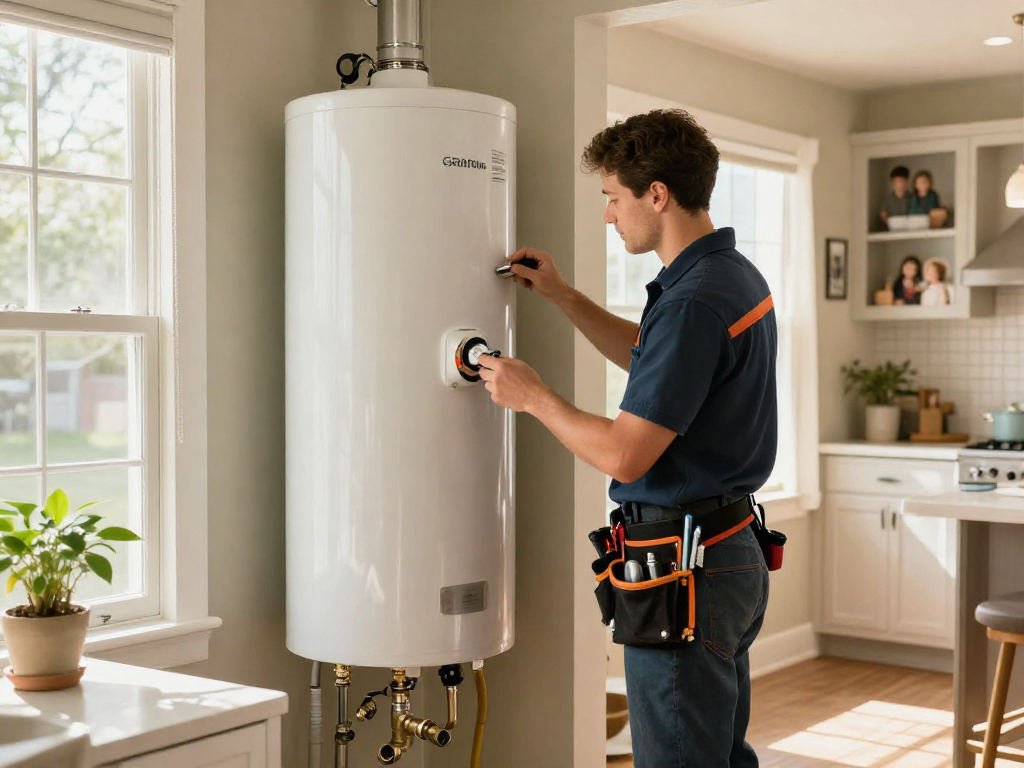
Understanding When Water Heater Replacement is Necessary
Water heaters play a crucial role in our homes, providing hot water for various daily activities such as bathing, cooking, and cleaning. However, like any other household appliance, they have a lifespan and can fall victim to wear and tear. Understanding the right time for a water heater replacement Fort Worth can save homeowners from unexpected cold showers or more severe plumbing issues. This guide will help you navigate the signs indicating replacement, the financial considerations, and the expert services available in the Fort Worth area.
Common Signs Your Water Heater Needs Replacement
Identifying when your water heater needs replacing can save you effort and money in the long run. Here are some common signs that should raise a red flag:
- Age of the Unit: If your water heater is over 10 years old, it’s time to start planning for a replacement, as most units have a lifespan of 8 to 12 years.
- Rusty Water: Discolored or rusty water from your taps may indicate that the tank is corroding.
- Leakage: Water pooling around the base of the heater can signal a serious issue, often requiring immediate attention.
- Inconsistent Temperatures: If your water is frequently too hot or too cold, it may be time for a replacement.
- Strange Noises: Banging or popping noises can suggest sediment buildup, which might lead to failure.
Comparing Repair vs. Replacement Costs
When your water heater malfunctions, you may face the dilemma of whether to repair or replace it. Understanding the cost dynamics can assist in making this decision:
- Repair Costs: Generally, repairs can range from $150 to $500, depending on the issue. Regular maintenance can extend the life of your water heater.
- Replacement Costs: A full replacement can range from $800 to $2,500, depending on the type and model.
- Long-term Savings: Investing in a new, energy-efficient model can lead to savings on utility bills over time, making replacement a more attractive option.
Understanding Lifespan of Different Water Heater Types
Water heaters come in various types, each with distinct lifespans:
- Traditional Tank Heaters: Typically last 10-15 years, depending on maintenance and water quality.
- Tankless Heaters: These units can last 20 years or more, offering significant energy savings and hot water on demand.
- Heat Pump Water Heaters: Known for efficiency, they usually last around 15 years with proper care.
The Importance of Professional Assessment in Fort Worth
Given the complexities of water heater systems, seeking a professional assessment is paramount. Here’s why it’s significant to have expert help:
How to Choose the Right Plumbing Service
Choosing the right service provider in Fort Worth can make all the difference. Look for:
- Experience: A service with extensive experience in water heater replacements is crucial.
- Customer Reviews: Check online reviews for insights into service quality and reliability.
- Licensing and Insurance: Ensure the company is licensed and insured for your protection.
Importance of Local Expertise for Water Heater Issues
Hiring a local plumbing expert in Fort Worth can provide advantages such as:
- Familiarity with Local Codes: Local plumbers will be well-versed in the codes and regulations that apply to your area.
- Rapid Response Times: A local expert can respond quickly in emergencies, minimizing potential damage.
- Community Trust: Local businesses often rely on their reputation within the community, ensuring quality service.
What to Expect During a Professional Inspection
During a professional assessment, you can expect a thorough inspection process, including:
- Initial Assessment: The technician will evaluate the unit and identify visible signs of problems.
- Performance Testing: They may perform diagnostic tests to understand how well your unit is functioning.
- Recommendations: Based on their findings, they will provide options for repair or replacement.
Top Models for Water Heater Replacement in Fort Worth
When considering a replacement, it’s essential to know your options. Here are some of the top models available in Fort Worth:
Comparing Tank vs. Tankless Water Heaters
Each type has its advantages:
- Tank Water Heaters: They store hot water for immediate use but take up more space and may waste energy when heating water that's not being used.
- Tankless Water Heaters: These provide hot water on demand and are more energy-efficient, though they may have higher upfront costs.
Energy Efficiency Ratings and Their Impact
Choosing high-efficiency models can lead to significant savings. Look for:
- Energy Factor (EF): A higher EF indicates a more efficient unit.
- Energy Star Ratings: Models with this label meet strict efficiency guidelines set by the EPA.
Latest Trends in Water Heater Technology for 2026
Staying updated on the latest innovations can enhance your home’s efficiency:
- Smart Technology: Many new models offer Wi-Fi connectivity, allowing for remote temperature control and diagnostics.
- Hybrid Models: Combining traditional heating with heat pump technology for increased efficiency.
Understanding Installation Process and Costs
The installation of a new water heater is a major undertaking, requiring careful planning and execution. Here's what to expect:
Step-by-step Guide to Water Heater Installation
- Drain the Old Unit: Ensure that the old water heater is drained and disconnected safely.
- Prepare the Area: Clear the installation area and prepare for the new unit.
- Install New Unit: Follow manufacturer guidelines for connecting the new water heater.
- Test the System: Once installed, run tests to ensure everything is working correctly.
Permits and Codes to Consider in Fort Worth
Installation often requires permits, which can vary by locality. Local plumbers will ensure compliance with:
- Local Building Codes: Ensures safety and compliance with regulations.
- Permit Applications: Professional services typically handle permit applications on your behalf.
Post-Installation Maintenance Tips for Longevity
Maximizing the lifespan of your new water heater involves regular maintenance:
- Flush the Tank: Removing sediment buildup annually can enhance efficiency.
- Check the Anode Rod: This component helps prevent corrosion and should be inspected regularly.
- Test the Pressure Relief Valve: Ensures that the unit operates safely.
Frequently Asked Questions about Water Heater Replacement
As homeowners contemplate water heater replacement, several questions often arise. Here’s a look at some of the most common:
How long does a water heater typically last?
A standard tank water heater usually lasts around 10-15 years, while tankless models can exceed 20 years with proper maintenance.
What are the signs of a failing tankless water heater?
Common signs include inconsistent temperatures, fluctuating water pressure, and error codes on the display.
Can I replace my water heater myself?
While some homeowners may attempt DIY replacement, it’s generally recommended to hire a professional to avoid issues with safety and local codes.
What financing options are available for water heater replacement?
Many plumbing companies offer financing plans. It's best to check with local providers for available options.
Are there tax incentives for energy-efficient water heaters?
Yes, various rebates and tax incentives may be available for installing energy-efficient water heaters. It's advisable to check with local and federal programs for specifics.